

About Us
At Hope Valley Church we believe that belonging is just the beginning to a life of significance and purpose. Our community and our teachings are built around connecting people to each other and to God.
We are an intercultural, intergenerational local church where every generation and every culture has a place to belong, grow, and live an alive, everyday faith.

Our Values
We believe God has given us a mission: to make disciples who make disciples.
Our four HOPE Values reflect the heart of Jesus, are grounded in God's Word, and are lived out through the power of the Holy Spirit:
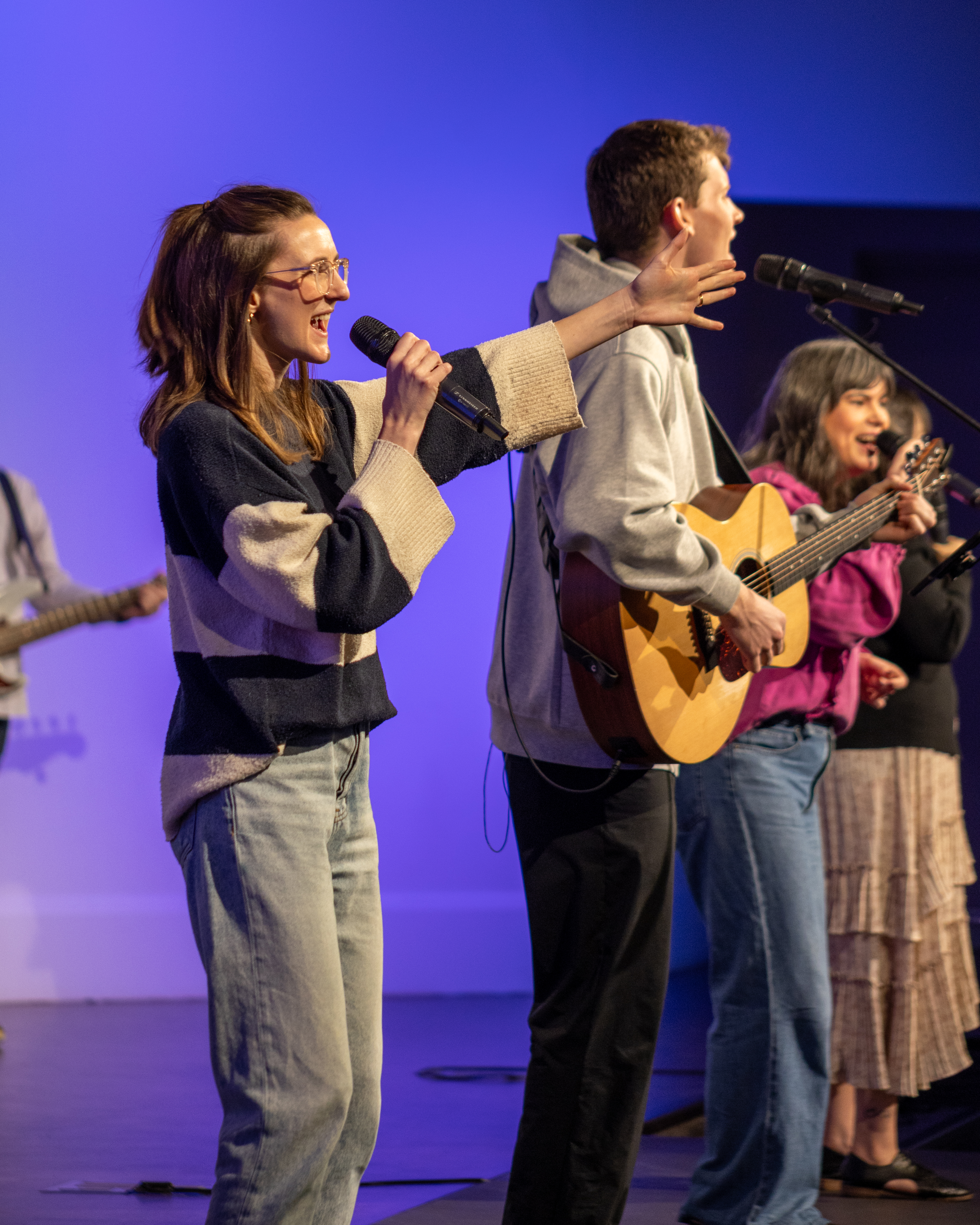
HEART FOR GOD’S MISSION
What is on God’s heart is on our heart.
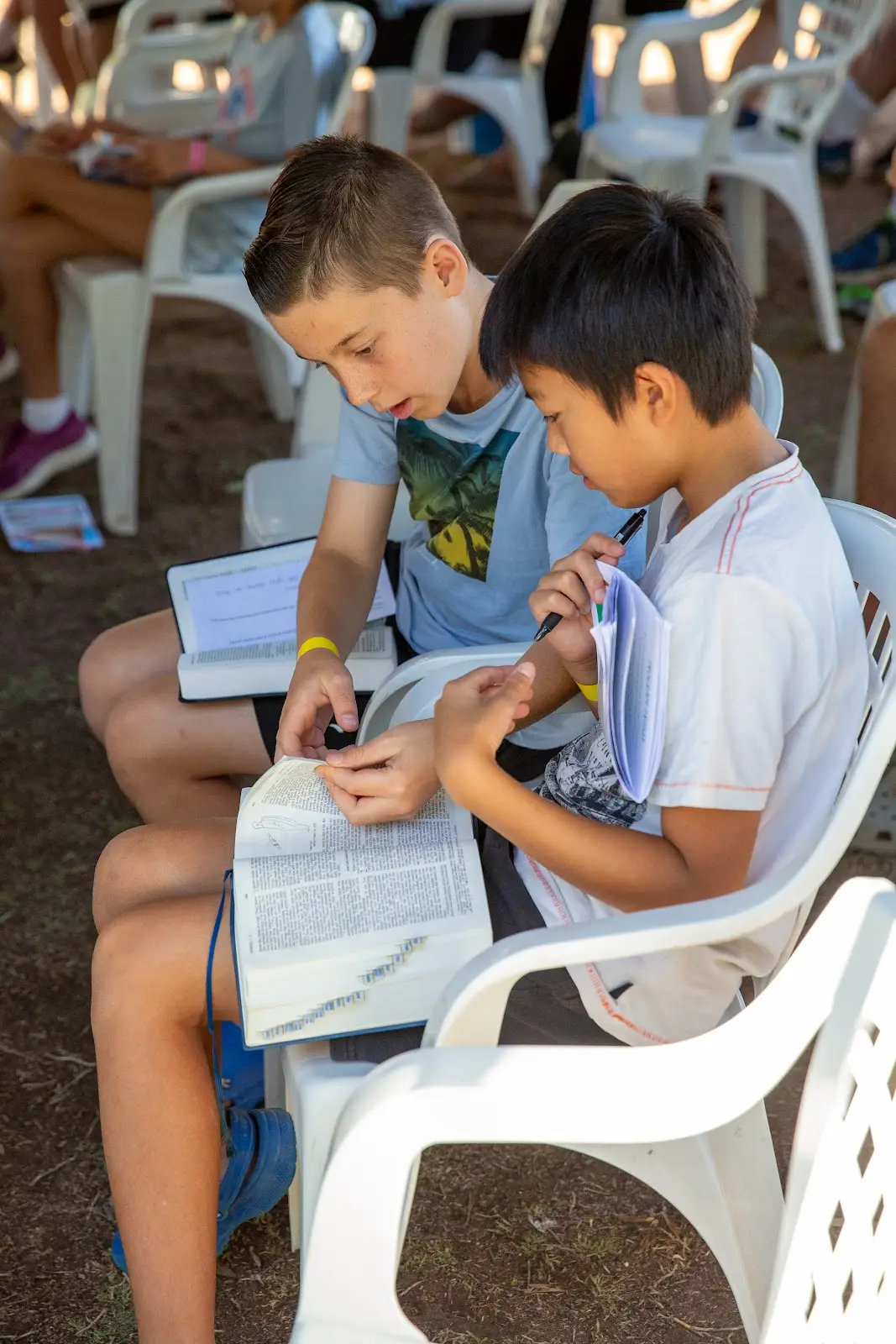
OPEN TO GOD’S WORD
Timeless wisdom and fresh insight on what God is revealing and teaching us and His world.
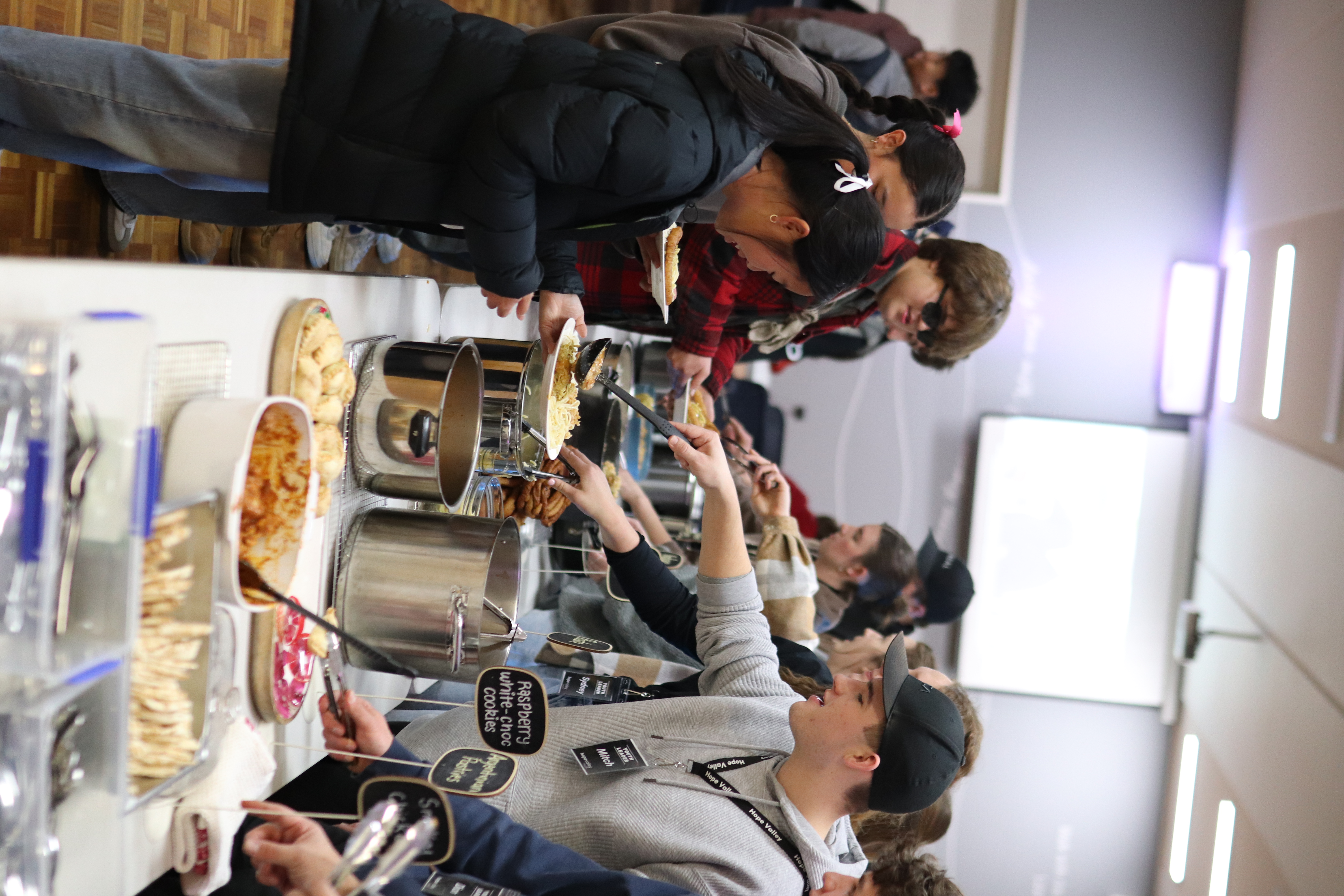
PRACTICAL SERVICE
A bias towards action that helps meet the needs of others.

EXCELLENT RELATIONSHIPS
A commitment to the beauty of what we call “New Testament Community”.
Our Beliefs
At Hope Valley Church, we hold to the historic, orthodox Christian faith, rooted in the apostolic tradition and expressed in the Apostles’ and Nicene Creeds. We invite you to read our full doctrinal Belief Statement below:
The Trinity
There is one God revealed as Father, Son and Holy Spirit.
Jesus Christ
Jesus Christ, Son of God, who took on our humanity, is the crucified, risen Lord. He lives and reigns forever and calls all people into a personal relationship and to follow him in faithful obedience.
After sending many prophets or messengers as recorded in the Old Testament, out of deep unconditional love, God decided to send his own Son to fully reveal his purposes for humankind and to restore people to relationship with him. Jesus was born in Bethlehem to humble parents, and he fully identified with human life. History gives him the name Jesus Christ. Jesus means saviour. It is similar to Joshua. Christ is not really a name. The word means messiah, or the promised one, the one who is expected and who will bring lasting change and restoration for humanity. More accurately he is ‘Jesus the Christ.’
Faith
Faith is awakened, enlightened and strengthened by the Holy Spirit.
Faith has at least two understandings. It can be understood in terms of what we believe, mainly biblical doctrine or theology. It also means to trust God, to put our faith in God for our life and to believe that God is with us constantly and that God guides us and gives us power to live freely and to achieve God’s purposes.
Salvation
Although created in the image of God, humankind has become estranged from God and from God's ways. Salvation from sin is by God’s freely given love and favour alone through faith in God’s reconciling act in the death of Christ on a cross.
Humans are extremely creative and productive, but we cannot win God’s approval even by our best efforts or achieve our own salvation. It is God alone who defeats the power of evil and the tendency in humans to become estranged from God and from each other. Salvation is both individual and collective. It gives a person new life and freedom from anything that would hold them captive - such as low self-esteem, addictions, regrets and guilt. It also promises life eternal in the presence of God. Salvation also touches communities and nations. It is the peace we seek across the world where all live in harmony and all barriers are removed.
The Bible
The Bible is the unique testimony of humankind’s encounter with God, in which we hear God speak, and by which our faith and obedience are nourished and regulated.
We value the Bible as the most important book to read. It contains both historical record and theology that enables us to understand the nature and activity of God. The Bible has two main parts: the Old Testament that gives an account of God’s interaction with people before the time of Jesus, and the New Testament that accounts the life, teaching and ministry of Jesus as well as the beginnings of the early church that Jesus established.
The Church
The Church is a body of which Christ is the head. It is a world-wide fellowship of believers, a pilgrim people on the way towards the promised goal of the Kingdom of God.
Christians value community, and they recognise that we are not meant to live in isolation. We care for, pray for, and support one another. We also serve in teams, knowing that what we do together surpasses anything one could do alone. Since the formation of the church in the first century ACE, the church has been planted in many cultures and nations. History has witnessed the formation of the Eastern Orthodox churches and the Roman Catholic Church in the West. The Reformation movements, particularly of the sixteenth century, resulted in the birth of what is generally known as the Protestant churches. Further reformation in the eighteenth century in England and the USA gave birth to movements such as Methodism, one of the antecedent churches of the Uniting Church in Australia. Another movement, Pentecostalism, has influenced the church markedly for the last 100 years and brought new expressions of church through what is called the charismatic movement as well as the emergence of a variety of contemporary forms of worship.
Mission
The church, by its very nature, is called into mission in which every Christian is called to participate. The mission includes the call to personal faith, ministry of healing, deeds of kindness and addressing injustice. Such mission is expressed both locally and globally.
God gives purpose to every expression of the church. This is understood as its mission. The mission articulates why the church exists, how it lives and what it does. In essence, it is the response to the command of Jesus to make disciples - to reach people with the message of the good news of God’s saving love in Christ, to call people to respond to this in love and repentance, and to grow as faithful disciples. The church therefore endeavours to be culturally attuned to the ways of God, to witness by its very life and values, and to equip its members to witness to Christ by the way they live and their words and deeds. Mission is expressed locally where people live, work and play. It also entails participation in and/or supporting mission activity where need is recognised further afield, including in other countries.
Marriage
We are called to celibacy in singleness and loving faithfulness between a man and woman in marriage.
We adhere to our understanding of biblical sexual ethics. God created humankind as male and female. God has also given the gift of marriage for the right expression of sexual intimacy between a woman and a man. Marriage is the sacred life-long union of a man and a woman to the exclusion of others. It is a covenant which is an illustration of the deep and close relationship between Christ and the church (biblically called the Bride of Christ). Marriage is also given that children may be born and brought up in security and love, that home and family life may be strengthened, and that society may stand upon firm foundations.
Baptism
Baptism is the sign of new life in Jesus Christ. We are baptised into union with Christ and called to his ministry in the world. We baptise those who confess the Christian faith, and/or their children who are presented for baptism and for whose instruction and nourishment in the faith the Church takes responsibility.
It is normal when a person responds to Christ to be baptised. Baptism literally means to go under water and to come up from the water. It illustrates a person dying to self and rising to new life in Christ. Baptism can have two forms. We baptise either by full immersion, or by pouring water on the head of the person being baptised. The form is incidental although many today prefer the act of immersion. Nevertheless, the understanding or theology of baptism is the crucial issue. Baptism also is being ‘baptised’ into the service and community of Christ. It is a communal act, and only for very unique reasons would baptism be held privately. A person receives baptism only once. However, when some people sense a renewing of their faith, and perhaps having been baptised as a child or infant, the church provides the opportunity for people to reaffirm their baptism.
Holy Communion
In Holy Communion we celebrate Christ’s death and his continuing presence. We have communion with our Saviour, grow together in Christ, are strengthened for our participation in the mission of Christ in the world and, giving praise and thanks, rejoice in the foretaste of the coming Kingdom of God.
The church recognises two sacraments: baptism and Holy Communion. Holy Communion is held in our church once a month as part of the regular worship. It recalls what Jesus did with his disciples when he broke bread and gave it to them to eat, telling them it was his body which would be broken for them on the cross. He also shared a cup saying it represented his shed blood (Matthew 26: 26-28). This sacrament is a tangible way in which we remember Jesus and his sacrificial death on a cross to atone for our sin and to reconcile us to God. If parents agree, we welcome children to share in this sacrament.
Spiritual Gifts & Leadership in the Church
The Spirit of God equips the church by supplying diverse gifts, and empowers believers to continue the ministry of Christ. This includes calling, equipping, and releasing both men and women to serve in leadership, teaching and other pastoral roles within the life of the church.
Each person is unique and each follower of Christ is given certain spiritual gifts to be used in concert with the gifts of others for the building up of the church for effective mission. Normally up to two or three gifts would be dominant in any one person, and these would influence what that Christian would devote their best time to. Spiritual gifts are mentioned primarily in Romans 12: 6-8, 1 Corinthians 12: 1-31, and Ephesians 4: 11-16. Spiritual gifts work together with a person’s personality, temperament, experience, natural talents and other strengths. Spiritual gift inventory questionnaires are available to help people discover their gifts. A responsibility of every follower of Jesus is to discover, develop and deploy their spiritual gift(s).
The question of how men and women relate in church leadership, particularly as pastors and councillors, has long been debated. At Hope Valley Church, we seek to reflect the teaching of Scripture across its full arc. We believe women and men are created equal in the image of God. Equality does not mean men and women are completely the same; each gender uniquely reflects God’s goodness and glory. Leadership in the church is given by grace, calling, spiritual gifts, obedience, and character. We believe both women and men can and should lead, preach, pastor, and minister. Serving together produces a stronger, more complete ministry than either could alone. To fulfil the Great Commission, both must be fully released and equipped according to their calling. We value women and men serving as co-labourers in all areas of church leadership.
Fulfilment of Time
In God’s timing, Jesus Christ will come again to bring about the fulfilment of all things within God’s purposes.
According to the Bible, human history is moving purposefully to a time when all of creation will come under the complete reign and influence of God. Christians pray as Jesus taught them: “Your Kingdom come, on earth as it is in Heaven.” The Bible projects a vision of the time when there is complete harmony, peace and joy. It is the time when every knee shall bow, and every tongue confesses that Jesus Christ is Lord (Philippians 2: 11). God is the alpha and the omega, the beginning and the end. Before the world began, God was. God will be there at the end. Meanwhile we live with both joy and sadness, with healing and disease, with success and failure, etc. But we believe God is with us in the present and we continue to serve the vision that God gives of the ultimate total redemption of all things in Christ.
Our Team
Hope Valley Church is led by our Church Council, Staff, and Ministry Directors.
Church Council
Our Church Council is made up of elected men and women from our church community who provide governance and oversight of our congregation and mission.
Staff & Ministry Directors
Our Staff and Ministry Directors lead the day-to-day ministry and support the people and teams of Hope Valley Church.





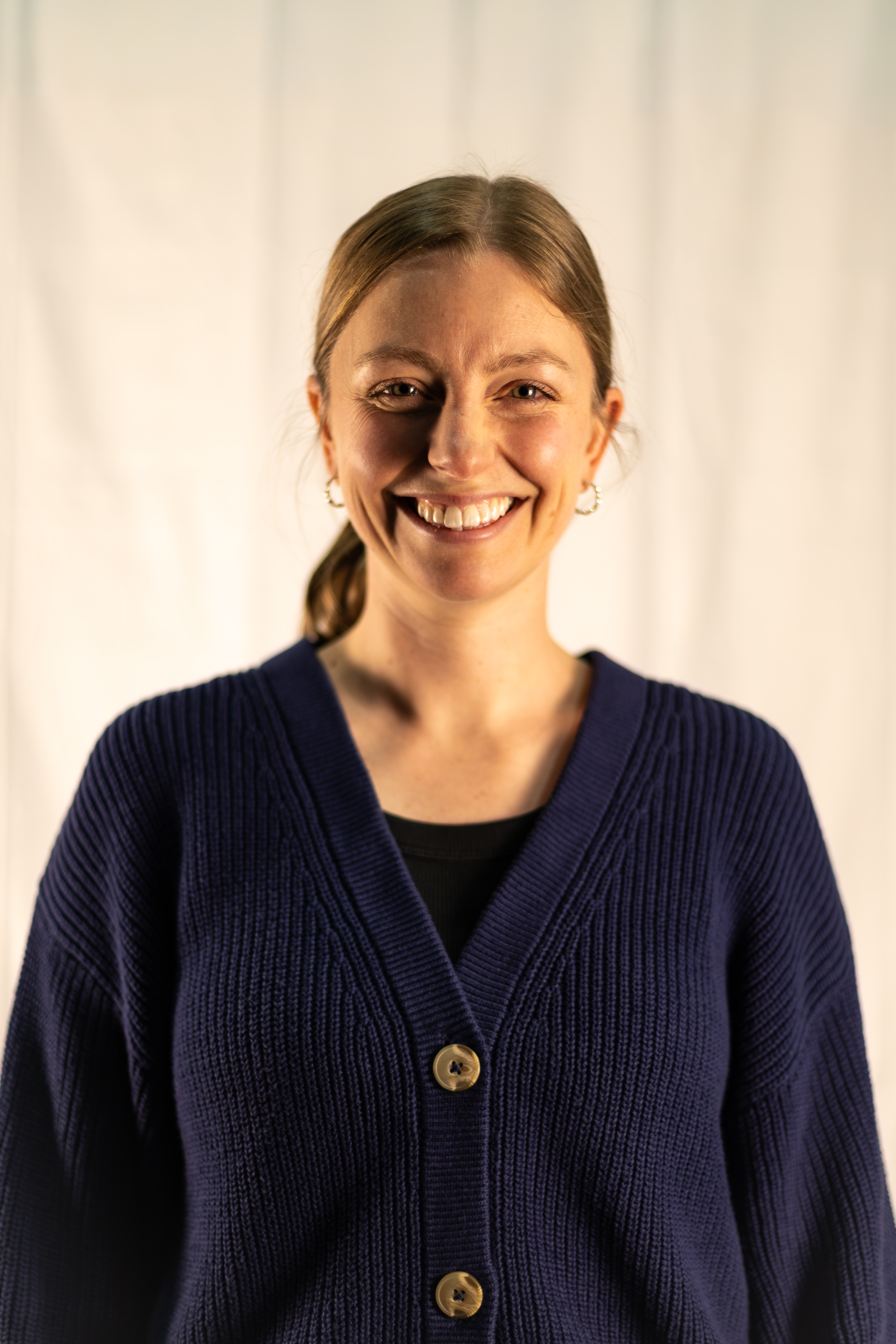





New to Hope Valley Church?
We'd love to connect with you! Complete the form below and someone from our team will be in touch to help you get connected, answer any questions, and help you find your place in the community.


Copyright 2026 Hope Valley Church
All Rights Reserved.